ACC Building - Dunedin
-
ClientACC NZ
-
Completed2025
-
Products
-
Glass Types
-
Architect
Project Overview
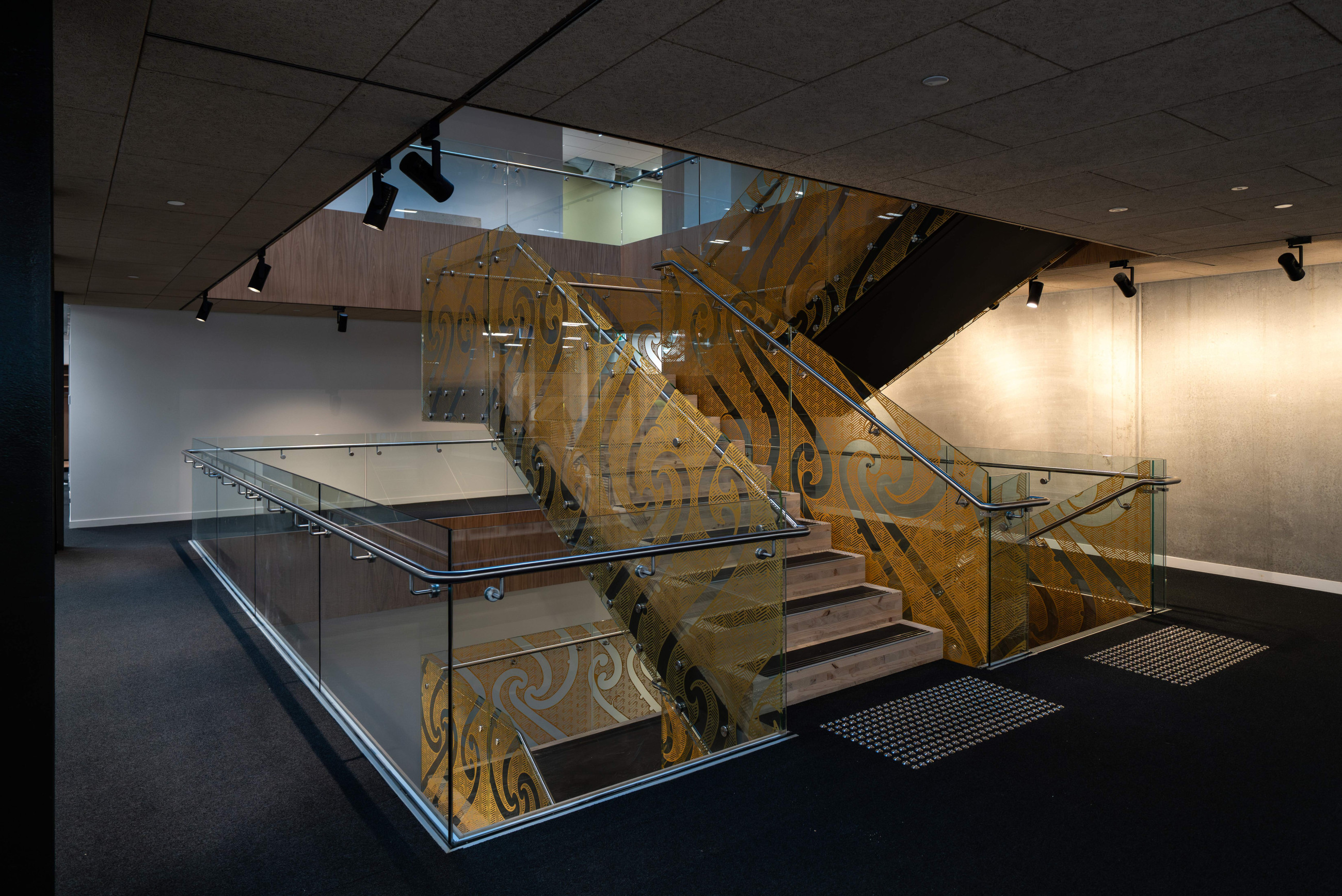
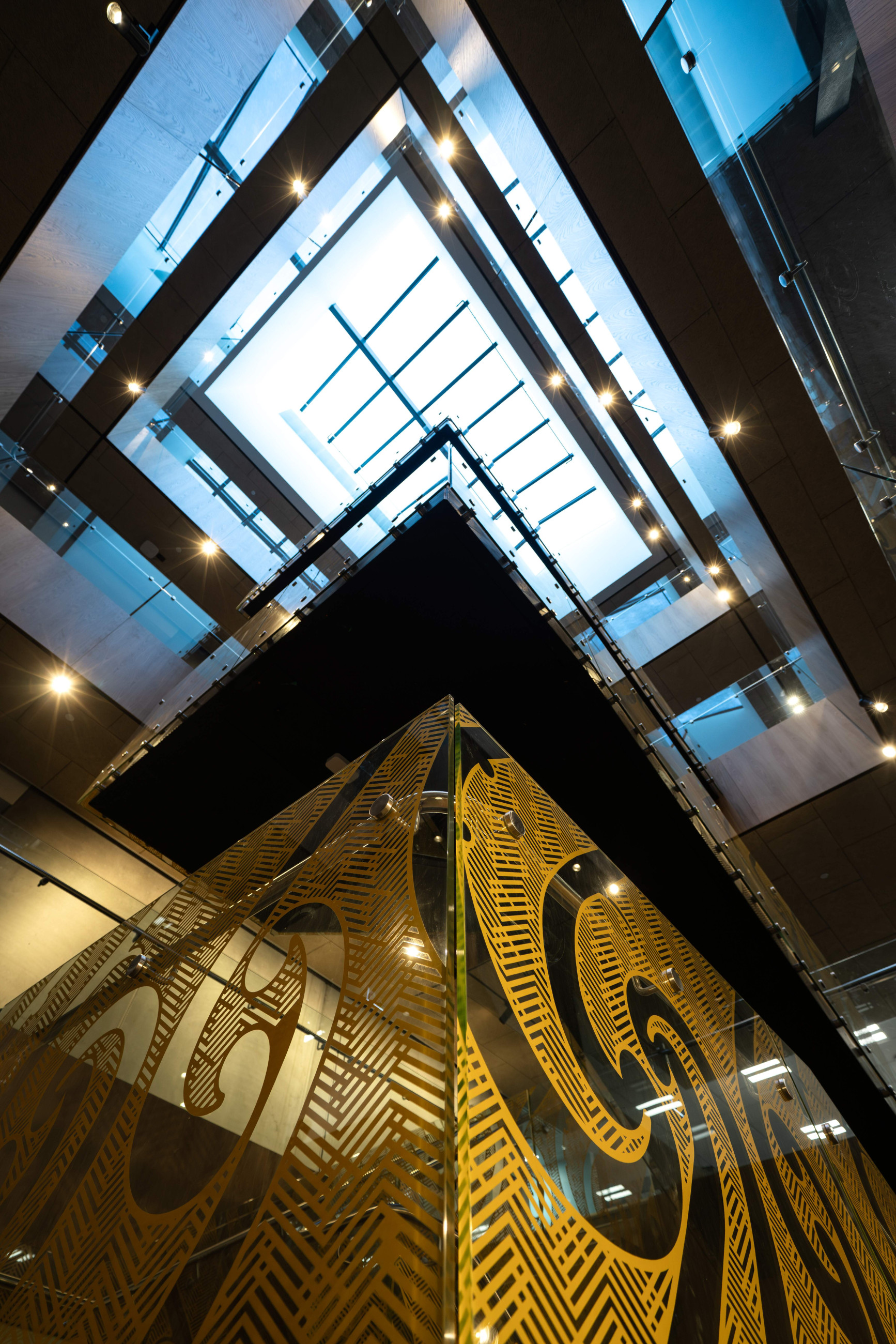
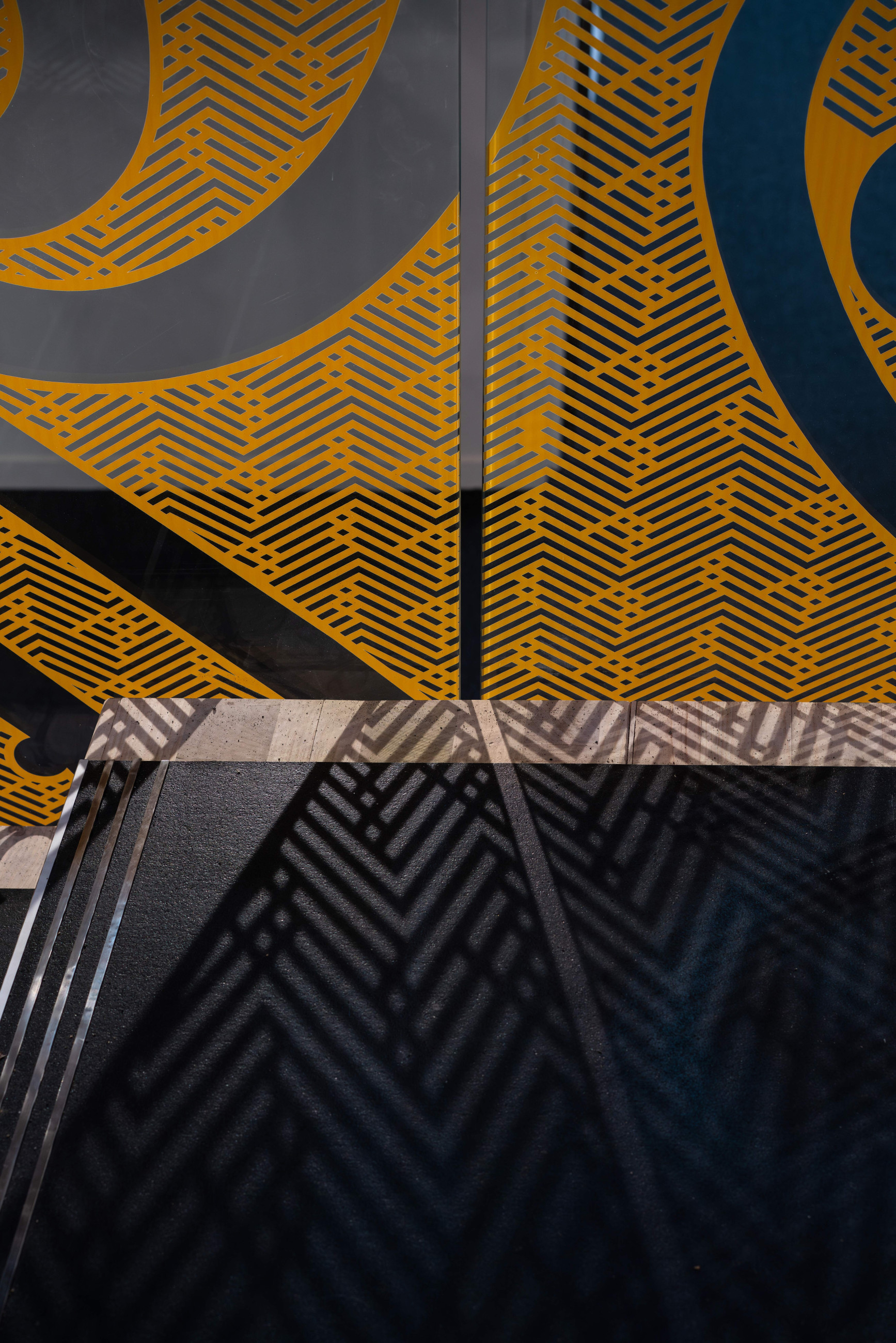
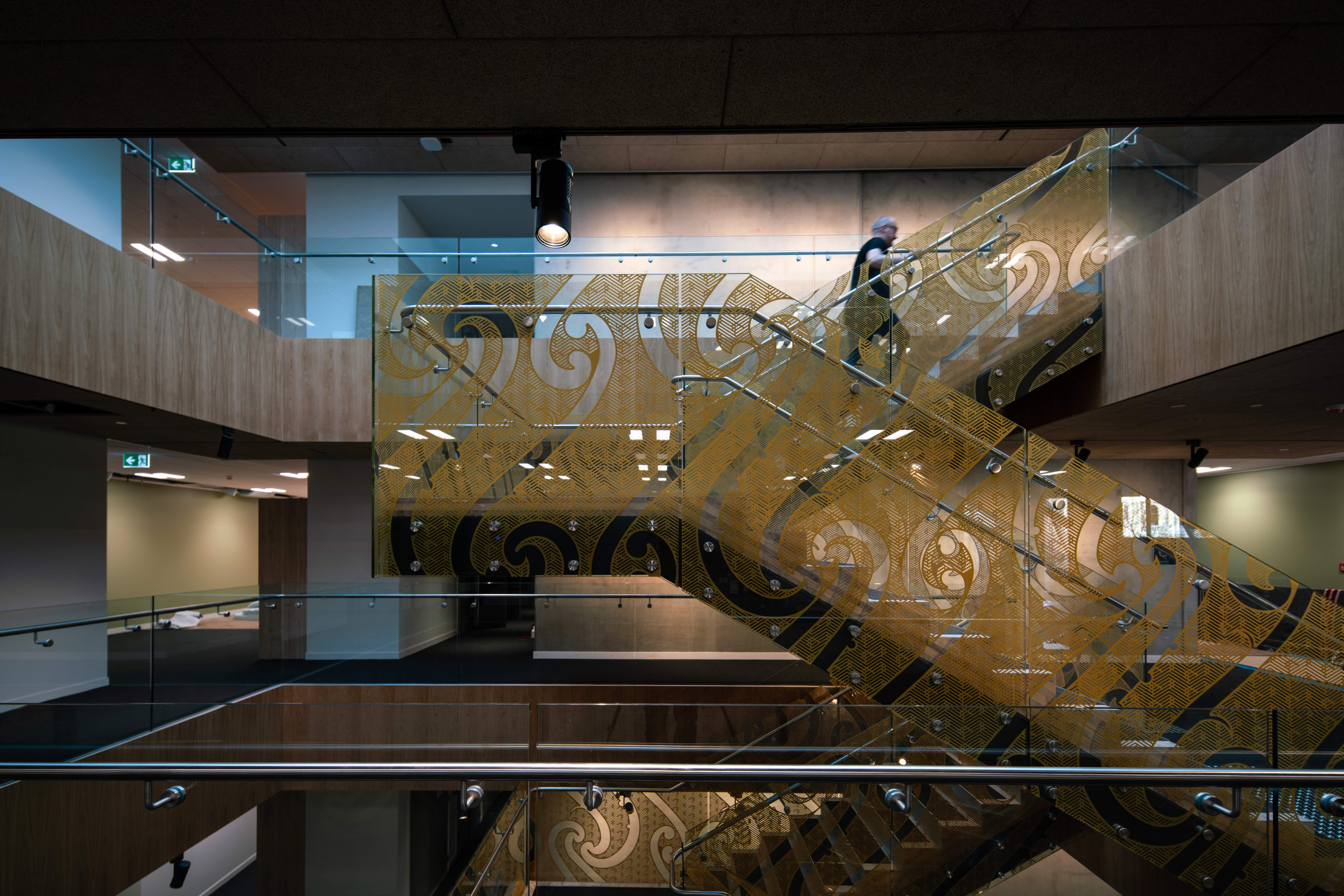
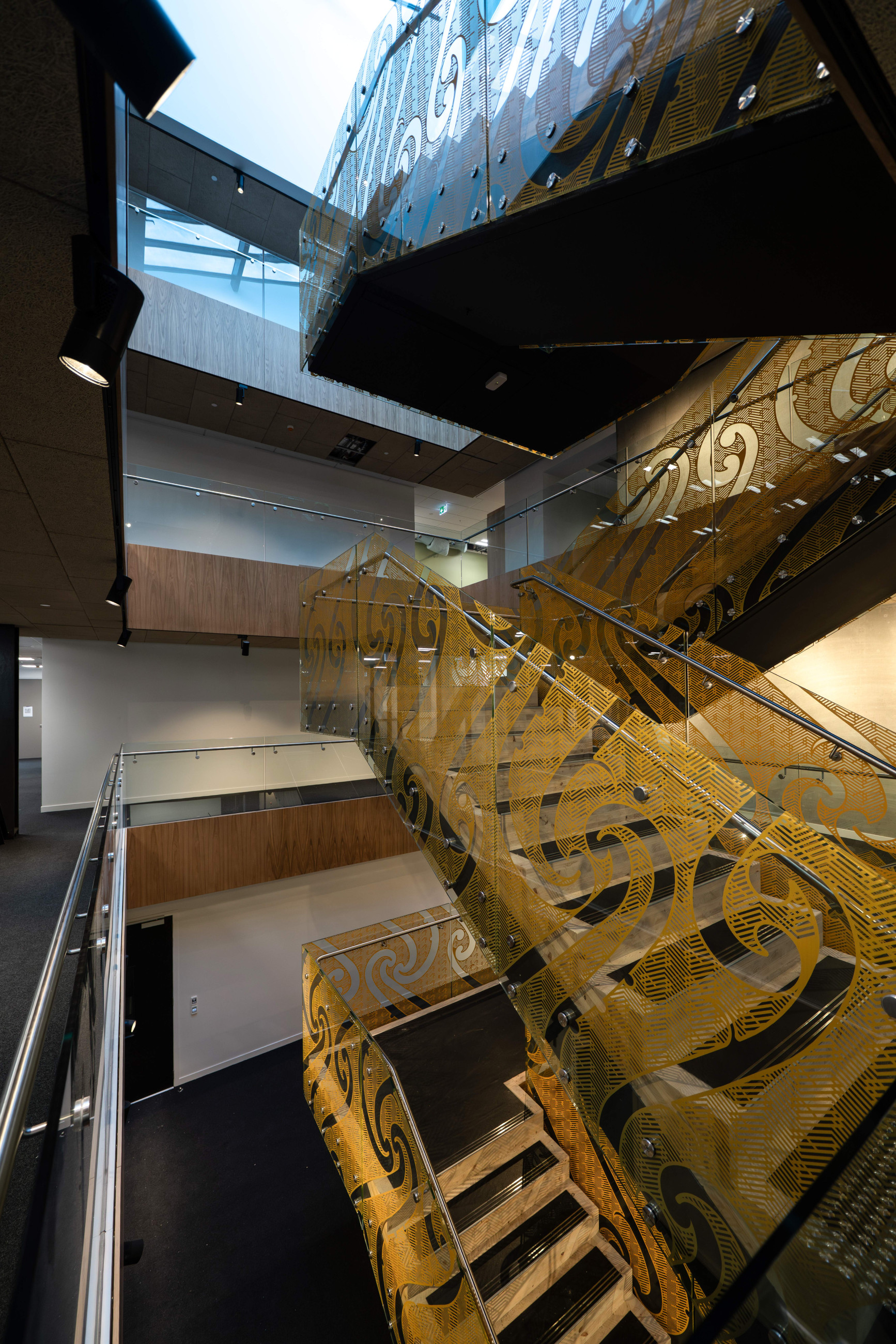
Ōtepoti is a landmark project in central Dunedin that demonstrates how glazing can move beyond function to become a defining architectural and cultural feature. Inspired by the woven form of a traditional pōti (flax basket), the building’s design symbolises gathering, connection, and shared knowledge - ideas brought to life through multi-level digitally printed glass balustrades featuring artwork by Ngāi Tahu artist Kirsten Parkinson.
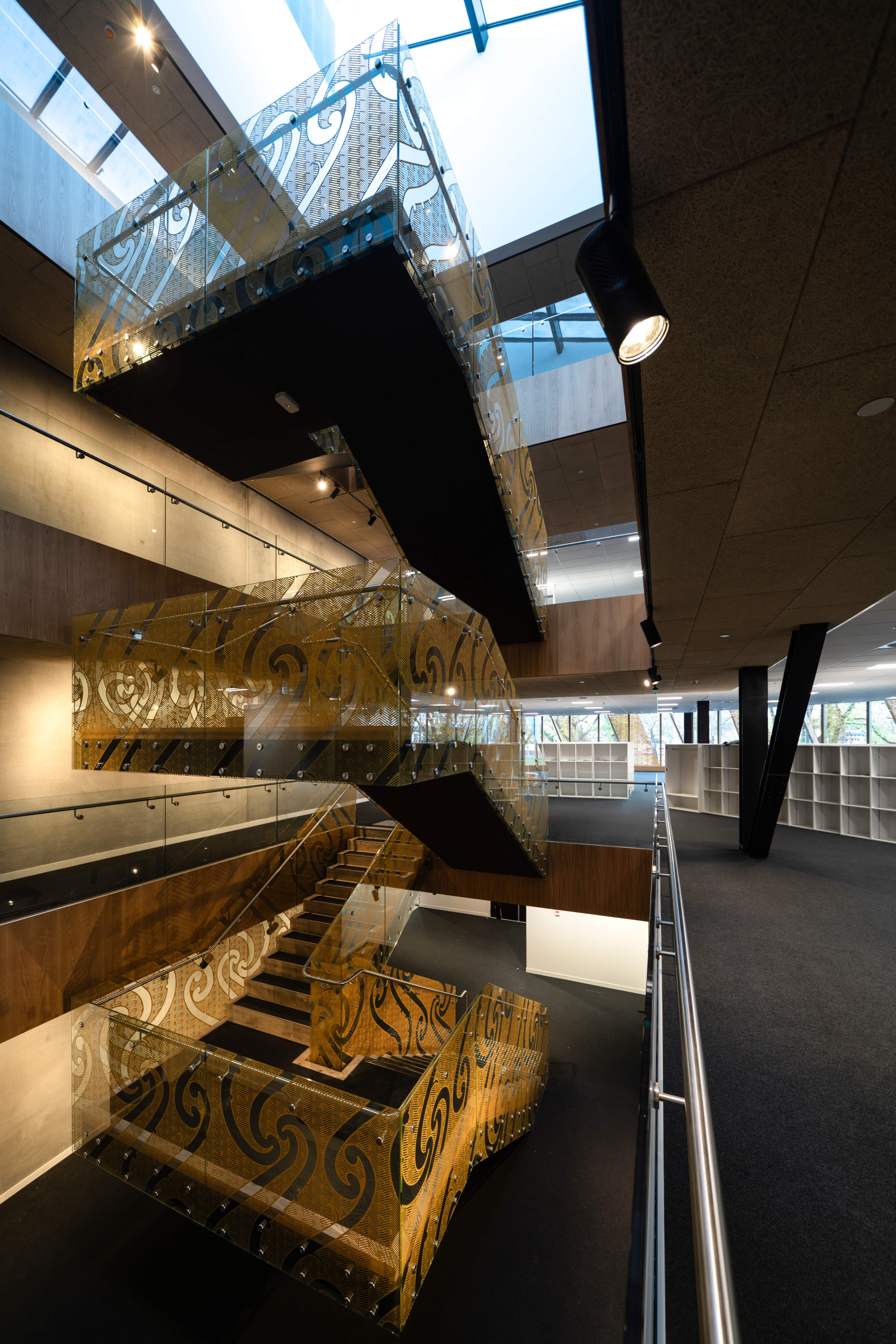
Spanning three levels, the stairwell installation transforms movement through the building into an evolving visual experience, where artwork shifts and layers as users move between floors. Minimal structural detailing allows the digitally printed glass to remain the focus, creating a seamless relationship between architecture, storytelling, and light. The result is a space that feels both contemporary and deeply connected to its cultural context.
Throughout the project, glass was used not simply as a building material, but as a medium for narrative and identity - reinforcing the building’s strong connection to place and community.
Unique Project Requirements
Delivering the multi-level glazing installation required a highly coordinated and adaptable approach. Large digitally printed toughened glass balustrades had to align precisely across multiple floors, while continuous stainless steel handrails demanded exact tolerances to maintain both structural performance and visual consistency.
The installation was carried out within a constrained construction environment, with extensive internal scaffolding and limited access creating significant challenges for glass handling and sequencing. Metro Performance Glass developed staged installation methodologies and specialist handling techniques to safely manoeuvre and position large format panels within tight working spaces.
Maintaining print alignment across vertically stacked panels was also critical to preserving the integrity of the artwork and overall architectural concept. The finished result reflects a careful balance of technical precision, collaboration, and craftsmanship - delivering a visually striking glazing solution that enhances both the cultural narrative and everyday experience of the building.
Gallery