Sarjeant Gallery Te Whare o Rehua - Whanganui
-
ClientWhanganui District Council
-
Completed2026
-
Products
-
Glass Types
-
Architect
Project Overview
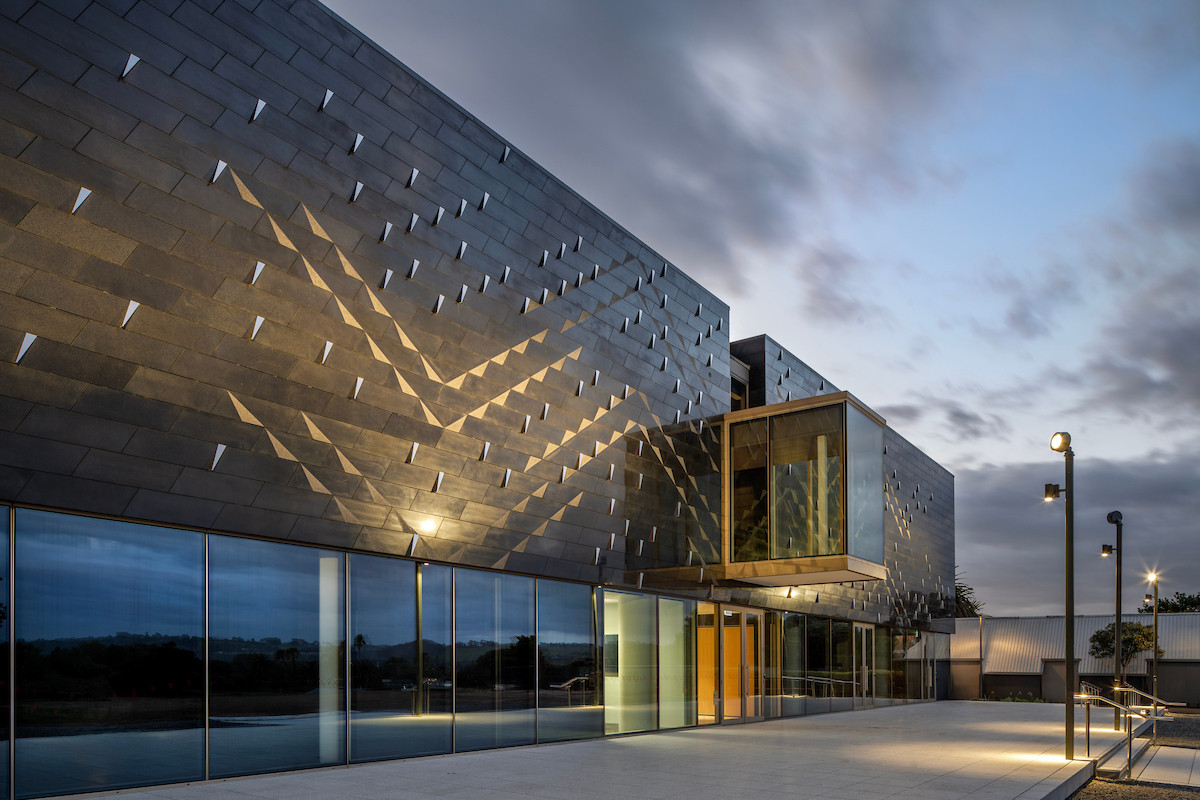
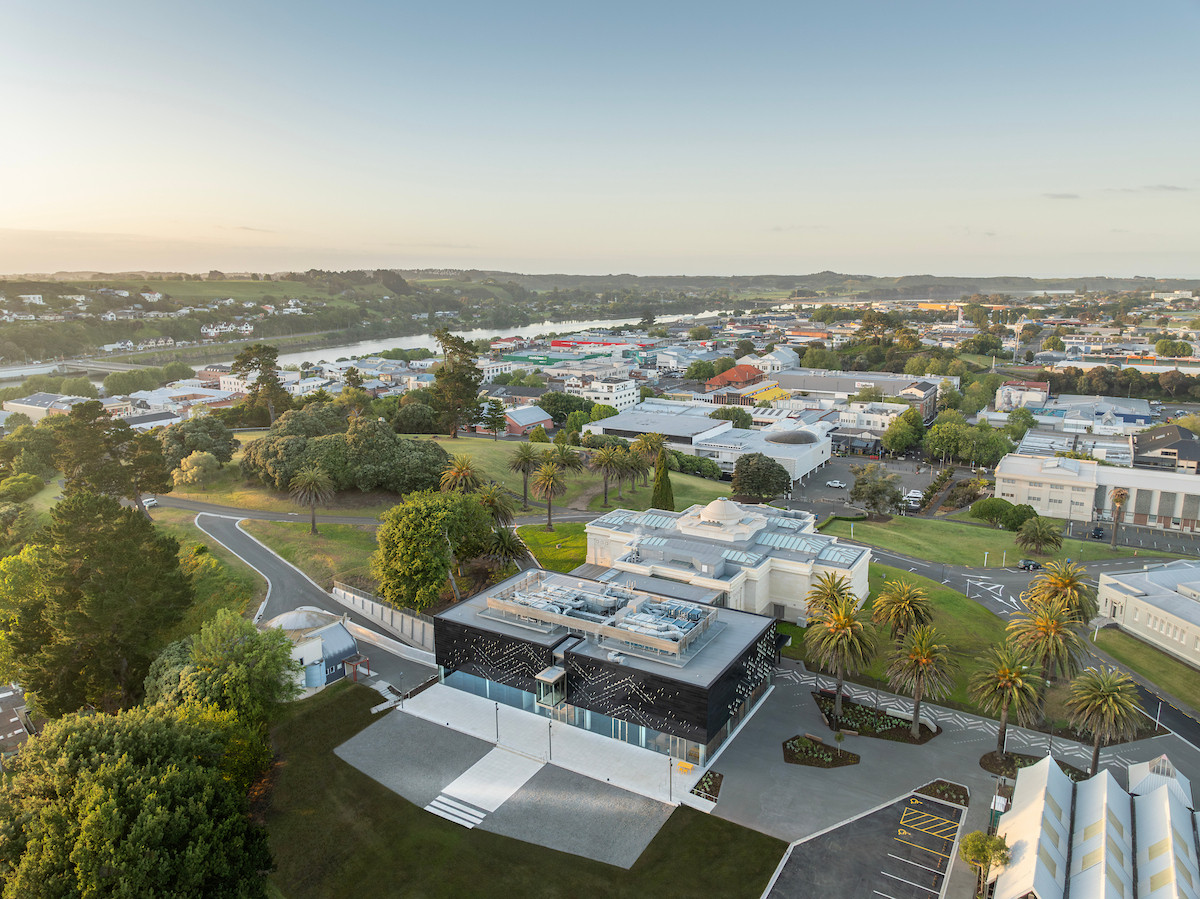
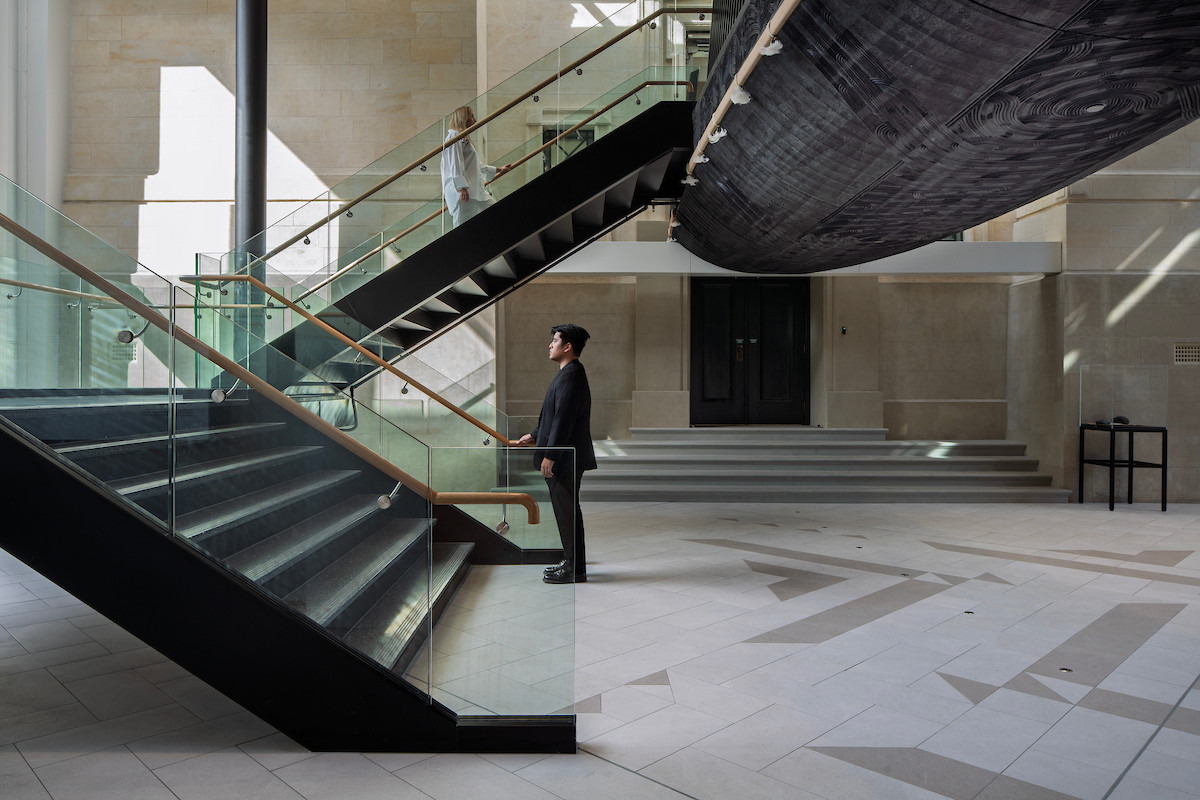
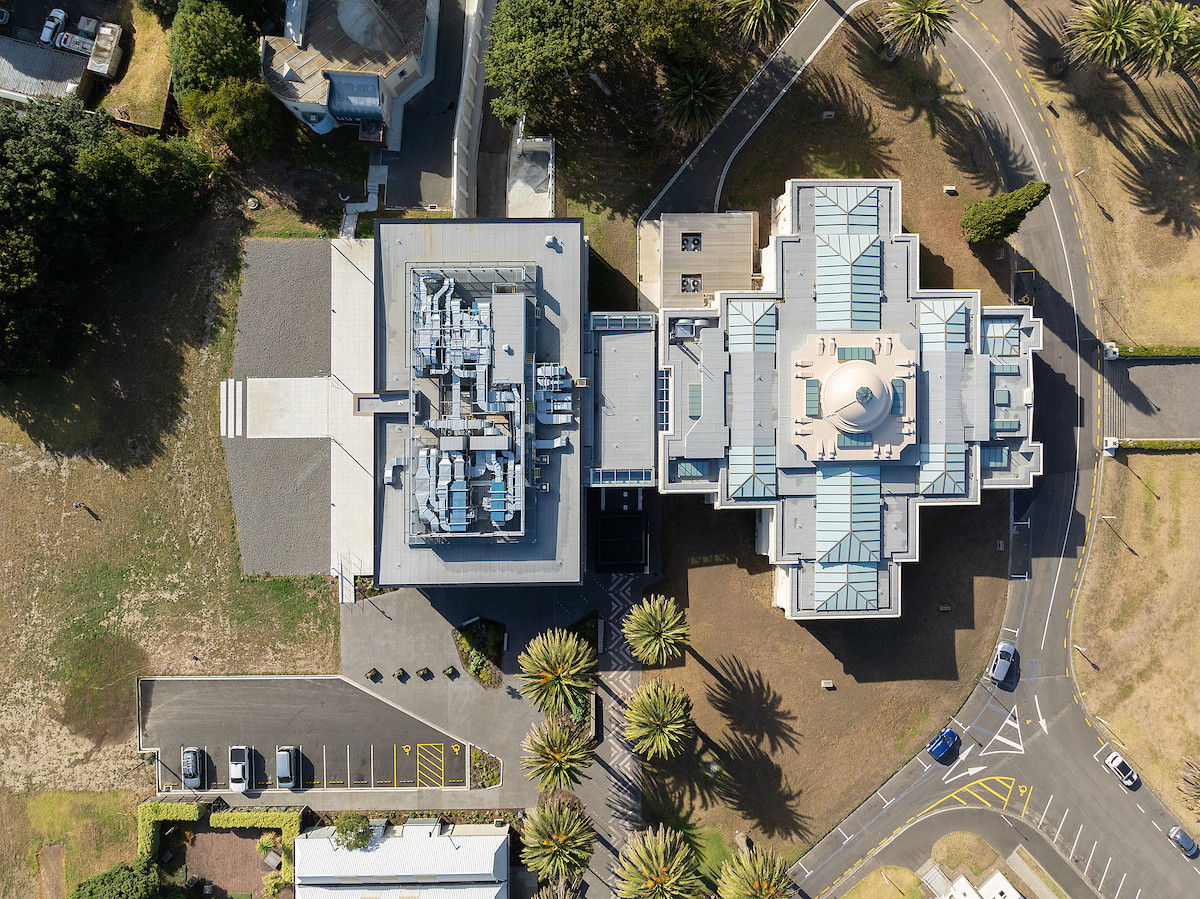
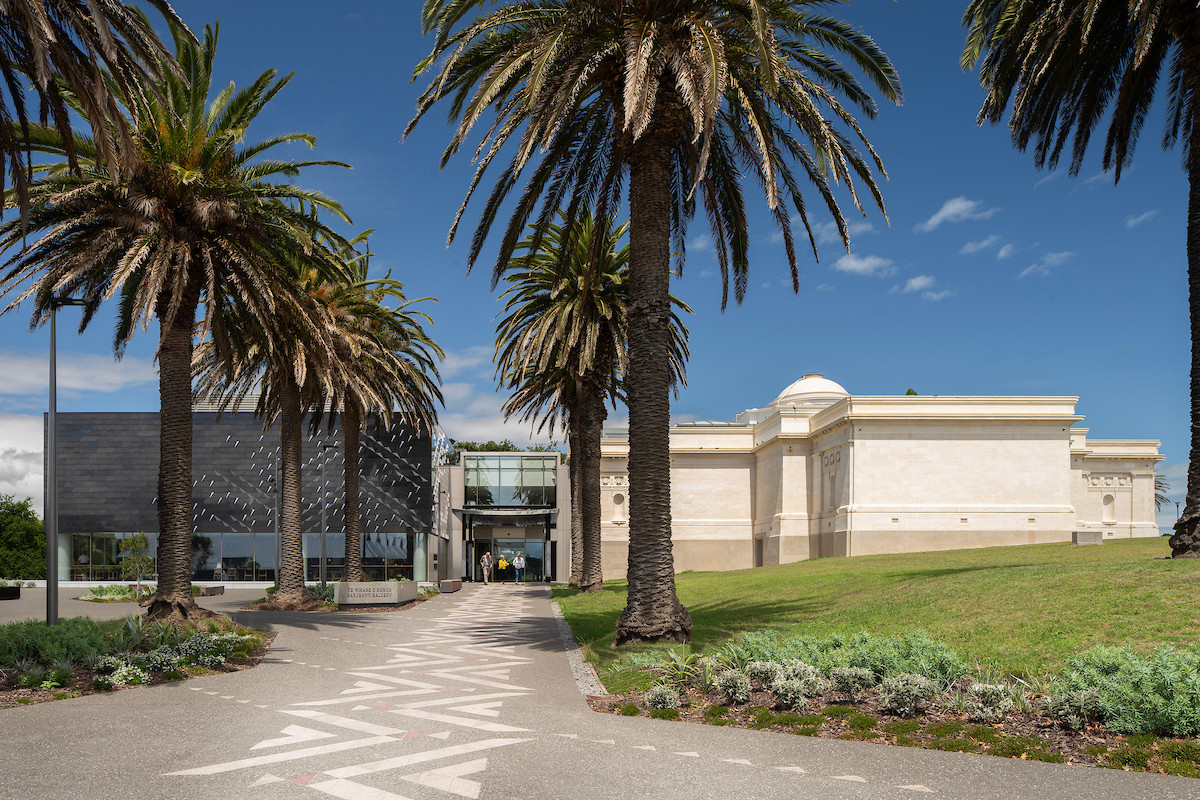
The redevelopment of Sarjeant Gallery – Te Whare o Rehua brings new life to one of New Zealand’s most significant regional cultural landmarks. Combining heritage restoration with a contemporary gallery extension, the project carefully balances preservation with modern performance to create a renewed space for art, culture, and community.
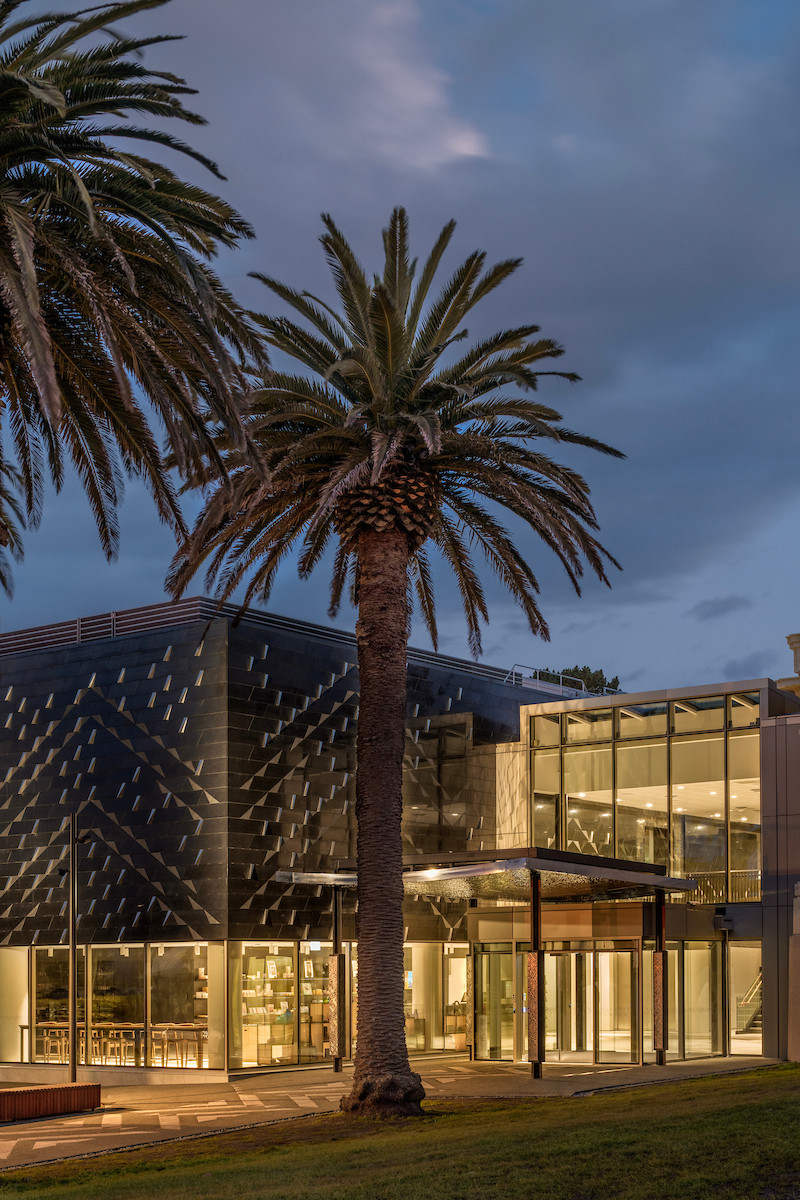
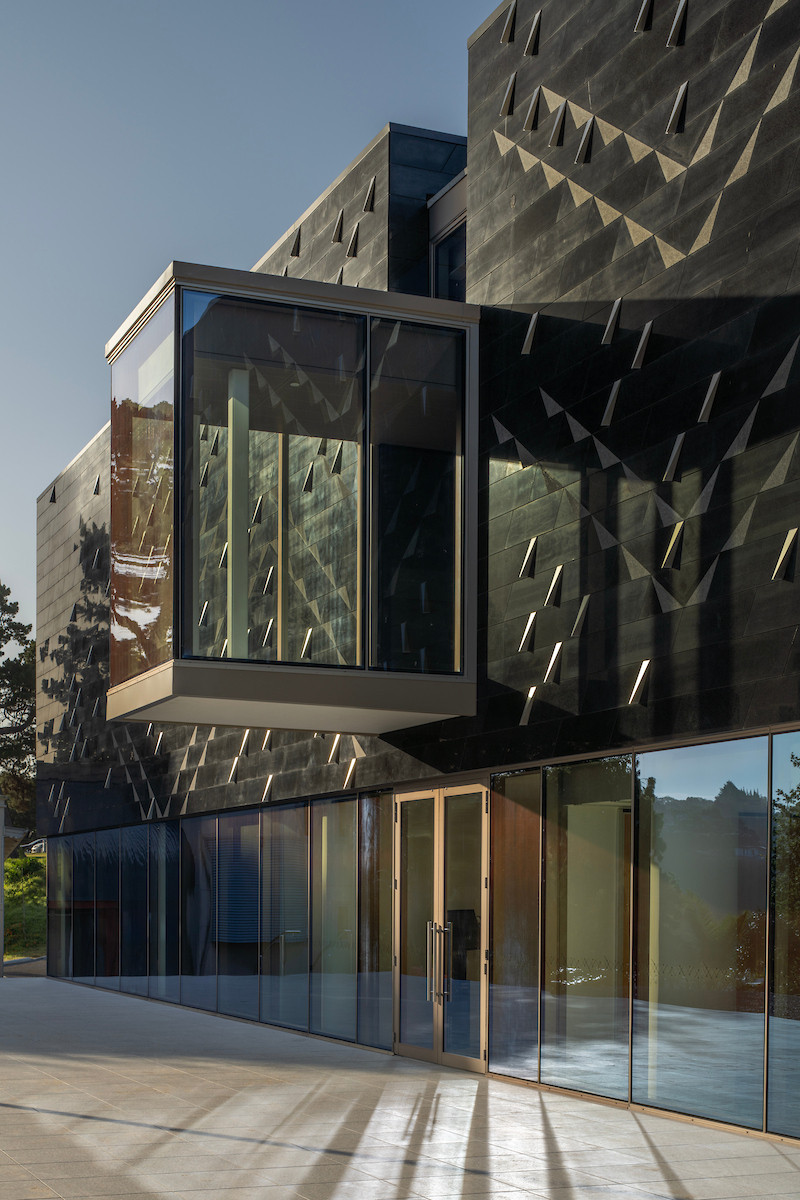
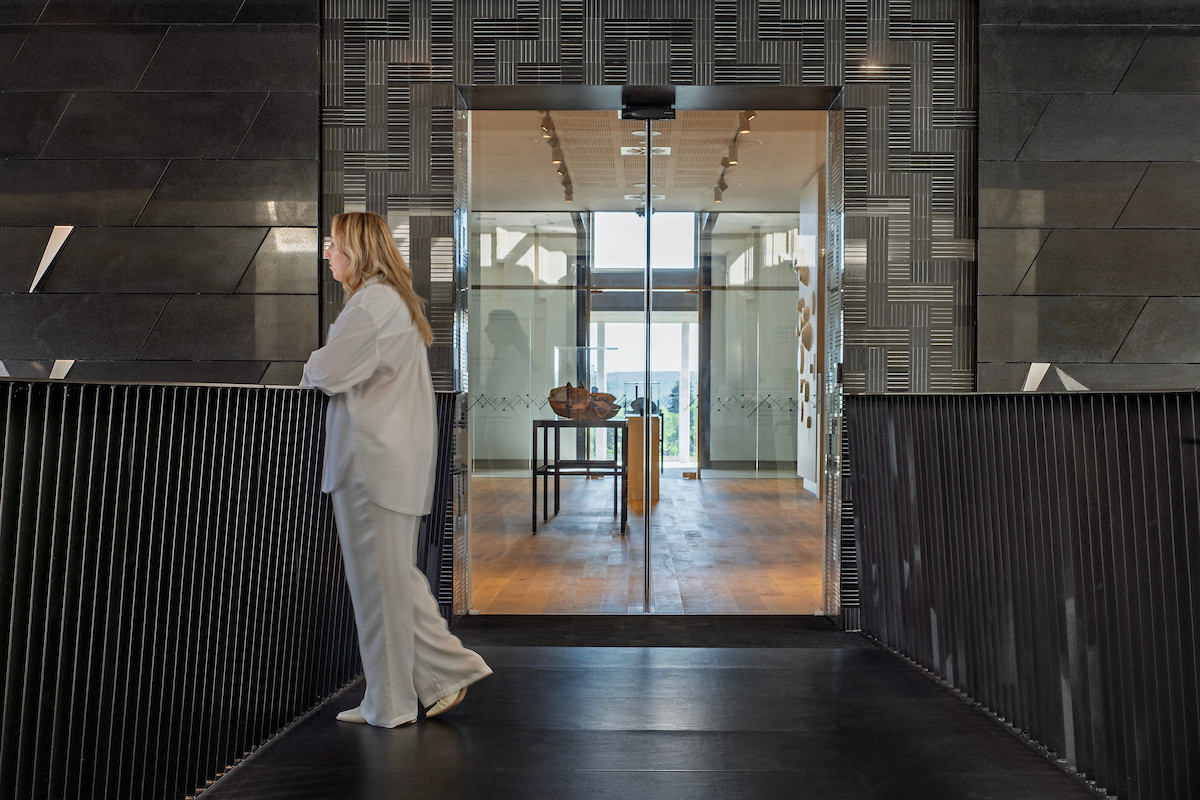
Working alongside Wight Aluminium Limited and McMillan Lockwood Construction, Metro Glass played a key role in delivering the project’s specialised glazing solutions. From the complex rooflight glazing integrated into the existing heritage structure through to the high performance façade glazing of the new extension, glass was used to introduce light, clarity, and connection between old and new architecture. In addition, Metro Glass supplied the glass for the fitout including balustrades and partitions, mirrors and frameless showers.
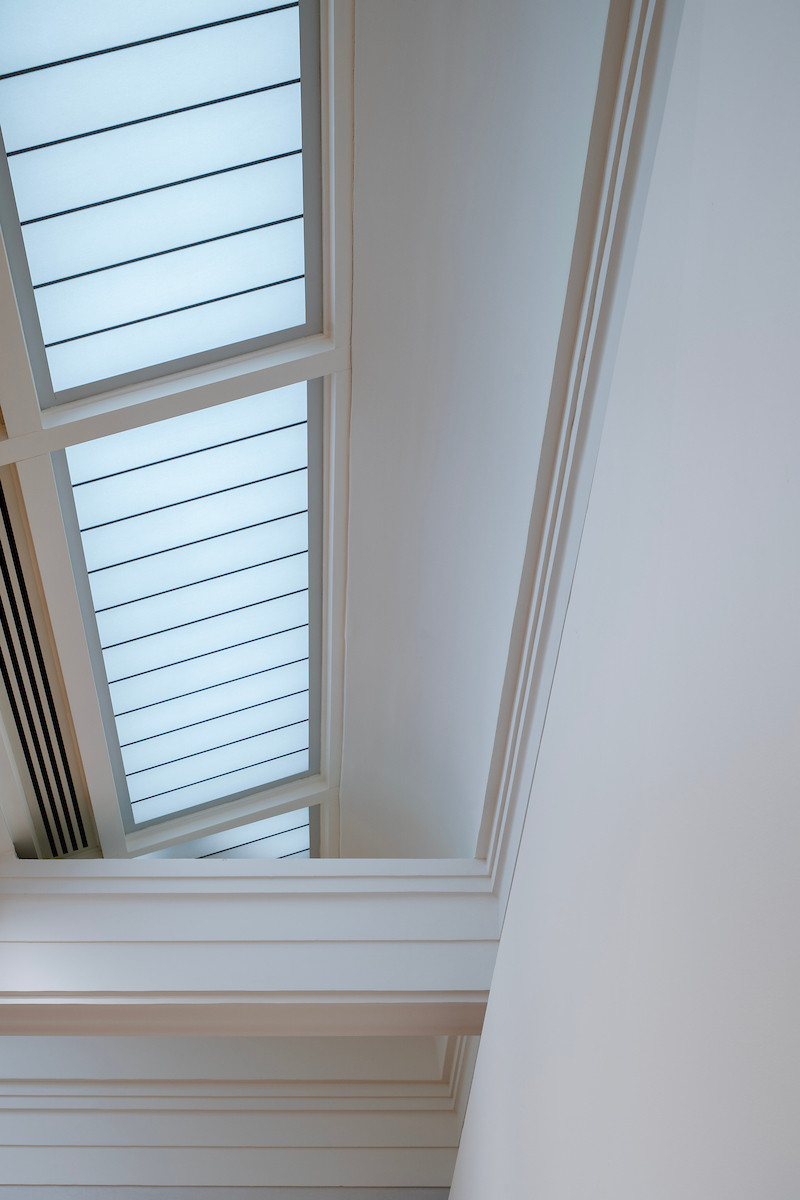
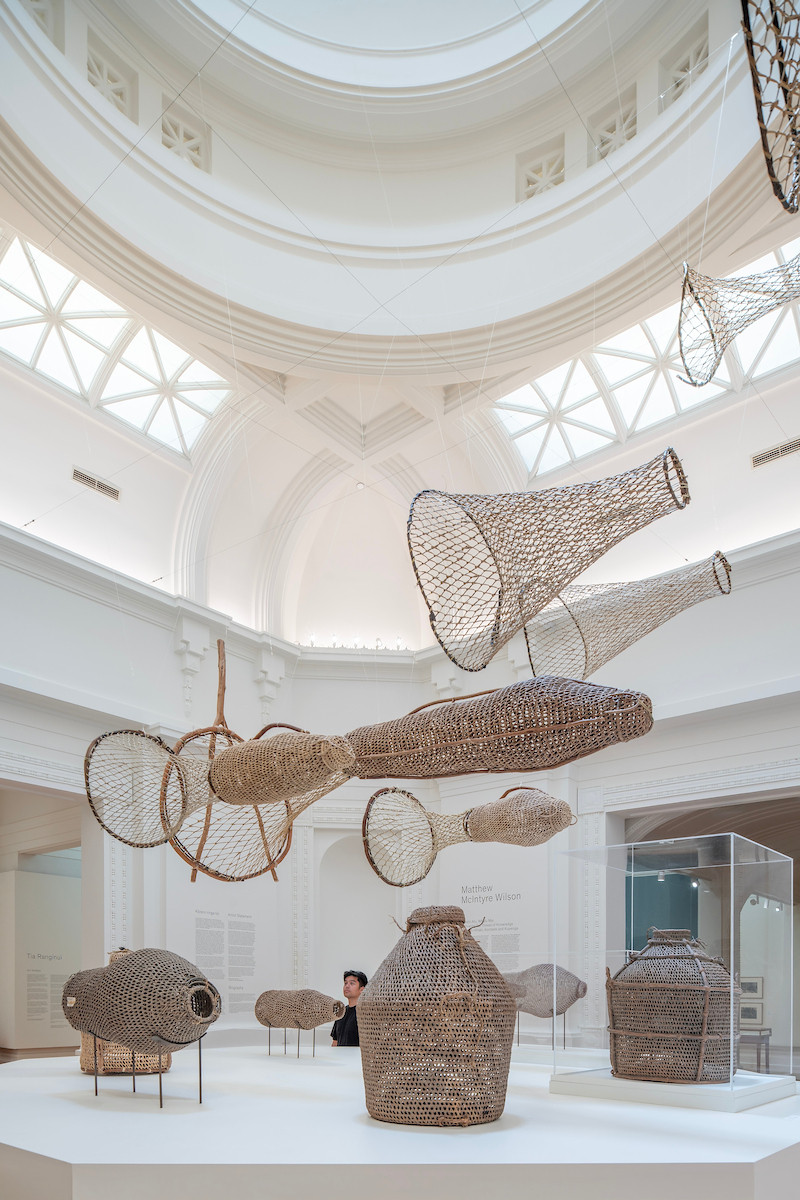
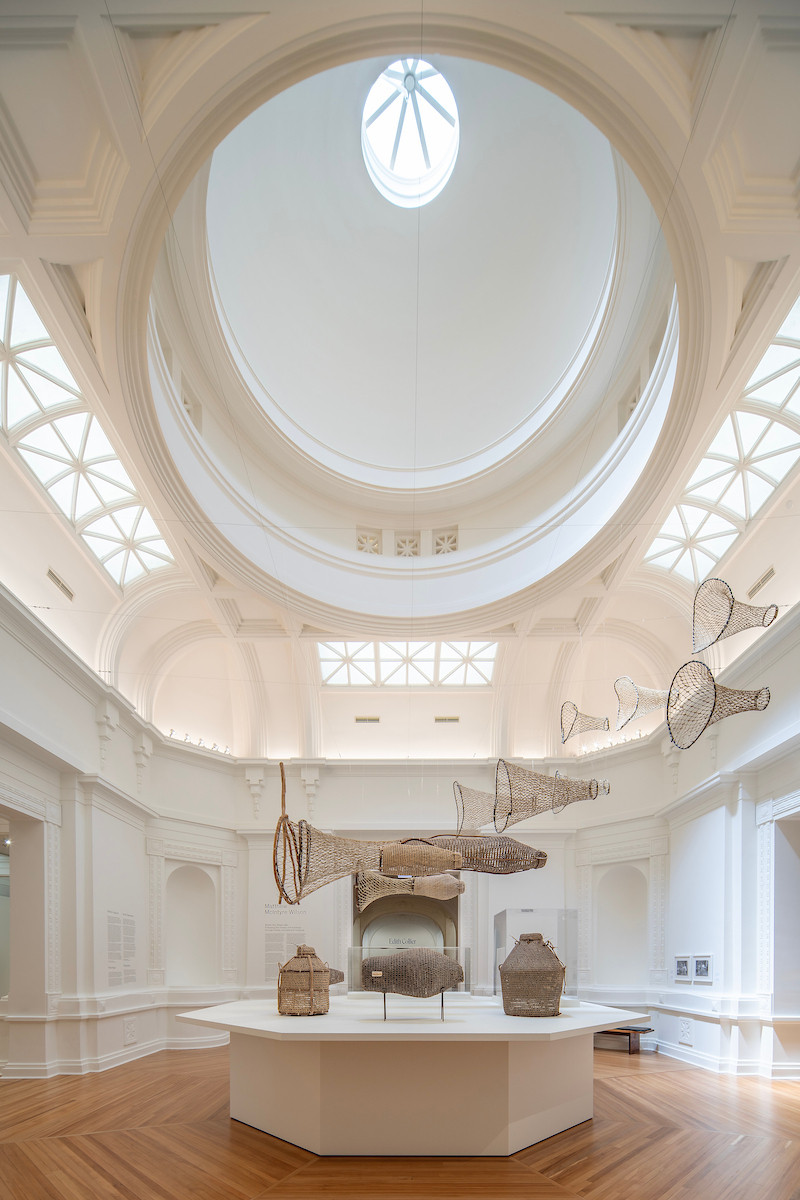
The rooflight glazing was designed to softly diffuse natural light into the gallery spaces using opalucent laminated glass, creating calm, controlled lighting conditions suited to both the artwork and visitor experience. Throughout the project, the glazing approach remained intentionally refined - supporting the architecture without overpowering it.
Unique Project Requirements
Delivering the project required an exceptionally high level of precision and coordination, particularly within the existing heritage structure where irregular geometries and tight tolerances left little room for adjustment. Large raked rooflight panels demanded detailed site measurement and careful integration with framing systems to ensure accuracy before manufacture and installation began.
The glazing make up itself was highly specialised, combining heat strengthened laminated glass, EVA interlayers, and high performance insulated glazing units to achieve both thermal performance and carefully controlled daylighting. Installation within a sensitive heritage environment also required non invasive methodologies, strict handling procedures, and carefully staged works to protect the building fabric throughout the process.
The result is a seamless integration of contemporary glazing within a historic setting - helping preserve the gallery’s legacy while preparing it for future generations.
Gallery